
Overview / Darknet Search Sites: A Comprehensive Overview
Darknet Search Sites: A Comprehensive Overview
Darknet search sites help users access hidden content on the Tor network. Discover key platforms and their unique features for effective searching.
A comprehensive resource for ex…- Date:
- Last updated: 2026-10-18
- 9 minutes

Recommended Tor Services
This selection offers reliable resources for anonymous browsing. Each service enhances your experience while prioritising privacy.

Professor Mariarti
Professor Mariarti — A Telegram channel offering insights and warnings about the dark web.

Nexus Market
Nexus Market — A reliable platform for buying digital items securely.
ums7mctigzemj3thj7nihnbpdb4evkvwvdfd3obodu2iv2q3s522aiyd.onion
LONELY ROAD
LONELY ROAD — A versatile platform for buying and selling with AI assistance.
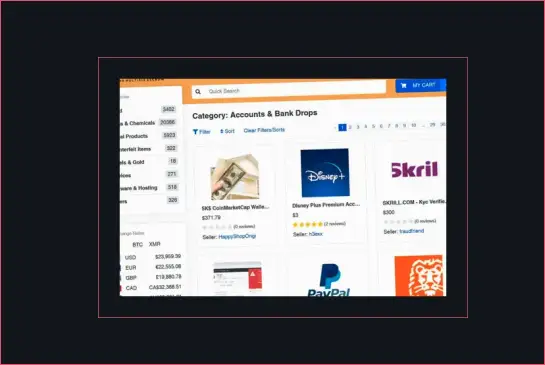
Tor2Door Market
Tor2Door Market focuses on privacy, featuring a user-friendly interface and accepting cryptocurrency payments.
ytjm2aoy6o65si4xs3ltqs5jbkzyefvzlyzi4u3srqlljlcdhd6bojqd.onion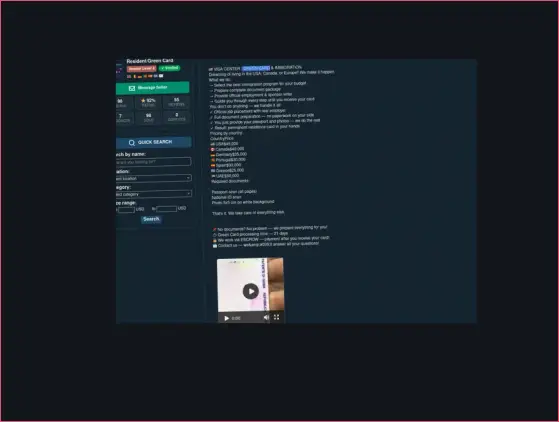
VISA CENTER | GREEN CARD
VISA CENTER | GREEN CARD creates authentic documents, useful for those facing political persecution.
Darknet search sites are specialised indexing tools designed to navigate hidden services within the Tor network. You access them by installing the Tor Browser and entering specific onion URLs into the address bar. These platforms help you locate anonymous forums, documentation, and communication channels that traditional web crawlers cannot reach.
How Darknet Search Engines Work
Darknet search engines operate differently from traditional search engines. They index .onion sites that are part of the Tor network, which provides anonymity through encryption and routing. This is crucial for accessing content that standard search engines like Google cannot reach.
Crawling .onion Sites
Crawling .onion sites involves using specific techniques tailored for the Tor network. Unlike the clearnet, where content is static and easily indexed, .onion sites often contain dynamic content. This can include user-generated data, which changes frequently, making it challenging for search engines to maintain updated indexes.
Search engines like Ahmia and Haystak utilise custom crawlers designed for this environment. These crawlers must handle the unique structure of .onion URLs, which are not accessible without the Tor Browser. This limitation means that traditional indexing methods do not apply, as they rely on IP addresses and direct access to servers.
Technical Constraints
Several technical constraints affect how content is indexed on the darknet:
Dynamic Content: Many .onion sites generate content on-the-fly based on user interactions. This can lead to incomplete indexing if crawlers cannot replicate the necessary actions.
Encryption: The encryption used in the Tor network adds a layer of complexity. Standard HTTP requests cannot access .onion sites directly, as they require a Tor-enabled environment.
Metadata Limitations: Metadata from .onion sites may not be as readily available as on the clearnet. This can hinder the ability to accurately index and rank search results.
These factors contribute to the differences in how darknet search engines function compared to their clearnet counterparts. Users seeking information on the darknet should consider these aspects when using search engines like DuckDuckGo's onion service or others specifically designed for the Tor network.
For more on effective use of these search engines, check out our guide on Darknet Search Engine: A Guide to Effective Use.
Top Verified Darknet Search Engines for 2025
Navigating the darknet requires reliable search engines tailored for the Tor network. Here are some of the top verified options for 2025, each with unique features.
Ahmia
Ahmia is known for its user-friendly interface and effective indexing. It focuses on providing access to .onion sites while filtering out illegal content. Ahmia boasts a high uptime reliability, ensuring users can consistently access its services. It also offers a search function that respects user privacy.
DuckDuckGo Onion Service
DuckDuckGo's onion service operates similarly to its clearnet counterpart but is specifically designed for .onion sites. It prioritises user anonymity and does not track searches. This service is ideal for general information searches within the Tor network, providing a broad array of results.
Haystak
Haystak is a comprehensive search engine that indexes a vast number of .onion sites. It claims to have one of the largest databases of darknet content. Haystak offers both free and premium services, with the premium version providing advanced search features and access to exclusive content. Its uptime is generally reliable, making it a popular choice for seasoned users.
Tor66
Tor66 is another notable search engine that focuses on indexing .onion sites. It has a straightforward interface, making it easy for users to find specific content. While its indexing scope is narrower compared to Haystak, it remains a valuable resource for users seeking anonymity.
Key Considerations
When using these search engines, keep in mind:
Uptime Reliability: Ensure the engine you choose has a good track record for availability.
Indexing Scope: Some engines focus on specific content areas, which may be beneficial depending on your needs.
Privacy Features: Look for engines that respect user anonymity, especially when searching sensitive topics.
Using these verified search engines can enhance your darknet experience, allowing you to explore the vast resources available while maintaining your privacy.
Myths and Fact-Checking Regarding Dark Web Search
Misconceptions about the dark web can lead to confusion and unsafe practices. Understanding the truth behind these myths is essential for safe navigation.
Myth 1: Dark Web Search Engines Are Completely Anonymous by Default
While using dark web search engines like Ahmia or Haystak enhances your anonymity, it does not guarantee complete privacy. Anonymity is primarily achieved through the Tor network and the Tor Browser. If you expose personal information while searching, your anonymity can be compromised. Always ensure that your browsing habits align with privacy best practices, such as avoiding sharing identifiable data.
Myth 2: All .onion Links Are Dangerous or Illegal
Not all .onion sites are harmful or illegal. Many .onion links provide valuable resources, forums, and information. For example, some sites offer educational content, privacy tools, or communities focused on various interests. However, caution is necessary. Engage with content that seems legitimate and avoid links that appear suspicious. This is especially true if they ask for personal information or financial details.
Myth 3: Encryption Alone Guarantees Safety
Encryption is a critical component of the Tor network, but it is not a silver bullet. Users must also be vigilant about phishing attempts and malicious sites. Malware can still be present on some .onion sites. Always use a reliable antivirus solution and be cautious about downloading files from unknown sources.
Myth 4: You Cannot Search for Anything Specific
Many users believe that dark web search engines only return vague or irrelevant results. In reality, search engines like DuckDuckGo's onion service and Haystak can provide specific information if used correctly. Employ targeted search terms and explore advanced search features when available. This approach can yield more relevant results tailored to your interests.
Key Takeaways
Anonymity requires careful browsing habits; it’s not automatic.
Not all .onion content is illegal; many sites offer legitimate resources.
Encryption is vital, but users must stay alert to potential threats.
Specific searches are possible with the right techniques and tools.
By dispelling these myths, you can navigate the dark web more effectively and safely. Understanding the landscape will help you make informed decisions while exploring this complex environment.
Essential Privacy Tools to Use Alongside Search Engines
Navigating the dark web safely requires more than just a search engine. Here are essential tools to enhance your privacy and security.
Tor Browser
The Tor Browser is the gateway to the Tor network. It is specifically designed to protect your anonymity while browsing .onion sites. When using the Tor Browser, your internet traffic is routed through multiple servers, making it difficult to trace back to your IP address. Always ensure you are using the latest version for optimal security.
Configuring Security Slider Settings
The Tor Browser features a security slider that allows you to adjust your security level. You can choose from three settings: Standard, Safer, and Safest.
Standard: This setting enables most website features, but it may expose you to some risks.
Safer: This option disables certain JavaScript elements, providing increased protection.
Safest: All potentially risky features are disabled. Use this setting when visiting unfamiliar or suspicious sites.
Adjusting the slider according to your browsing needs is crucial. For example, if you are exploring a new .onion site, consider using the Safer or Safest setting to minimise risks.
Understanding Metadata
Metadata is often overlooked but plays a significant role in online privacy. It includes information about your browsing habits, such as timestamps and the sites you visit. When using dark web search engines, be aware that some sites may collect metadata.
Avoid sharing personal information that could be associated with your metadata. For instance, using a VPN in conjunction with the Tor Browser can add an extra layer of anonymity. However, do not use a VPN that logs user data.
Additional Tools
Encryption: Always ensure that your communications on the dark web are encrypted. This protects your data from being intercepted.
Antivirus Software: Use reliable antivirus software to protect against potential malware on .onion sites. Make sure it is up-to-date to defend against the latest threats.
Using these tools will enhance your experience on the dark web while maintaining your privacy and security. Always remain vigilant and informed about your digital footprint.
Evaluating Search Engine Safety and Filtering
When navigating the darknet, user safety is paramount. Different search engines handle malicious links, phishing sites, and illicit content in various ways. Understanding these differences can help protect your anonymity and security.
Handling Malicious Links
Some search engines actively filter out known malicious links. For example, Ahmia employs a system to block access to sites identified as harmful or illegal. This proactive approach can significantly reduce the risk of encountering phishing attempts or malware. However, not all engines provide the same level of filtering. Engines like Haystak may index a broader range of content, including potentially dangerous sites, which requires users to exercise caution.
Phishing Site Detection
Phishing is a common threat on the darknet. Some search engines incorporate user-generated reports or community feedback to identify and flag phishing sites. This can be particularly useful as new phishing tactics emerge. However, reliance on user reports can lead to inconsistencies. Always cross-check links and avoid sites that request personal information or financial details.
Filtering Illicit or Abusive Content
The effectiveness of filtering illicit content varies greatly among search engines. While Ahmia focuses on providing access to legitimate resources, others may index a wide array of content without stringent filtering. This is relevant if you are seeking specific information or communities. Users should remain vigilant and avoid engaging with content that appears suspicious or illegal.
Best Practices for Safe Searching
Use reputable search engines like Ahmia or DuckDuckGo's onion service that prioritise user safety.
Always verify the legitimacy of a site before engaging with its content.
Keep your Tor Browser updated to ensure optimal security features are in place.
Report any suspicious sites to help improve community safety.
These steps can enhance your safety while exploring the dark web. Remember, maintaining anonymity is not just about using the right tools; it also involves making informed choices.
Darknet Search Engine Safety Evaluation Checklist
| Search Engine | Uptime Reliability | Privacy Features | Myth Correction |
|---|---|---|---|
| Ahmia | High uptime | Filters illegal content | Enhances anonymity but not guaranteed |
| DuckDuckGo Onion Service | Reliable | Does not track searches | Specific searches possible with right terms |
| Haystak | Generally reliable | Varied indexing | Not all .onion links are dangerous |
| Tor66 | Narrower scope | Focuses on anonymity | Encryption alone is not enough |
Summary and Actionable Steps
Match your search tool to your goals by balancing indexing scope with privacy features.
Keep your browser updated and adjust security slider settings to block risky scripts on unfamiliar sites.
Avoid sharing personal details or financial information, as encryption alone cannot stop phishing or malware risks.
Verify site legitimacy independently, because search engines vary in how they filter malicious links.
Begin your deep web exploration by reviewing the Best Onion Search Engines: Our Top Recommendations to select a reliable tool for your privacy needs.
See also
 Dark Web Search Engine Onion: How It WorksDiscover how dark web search engines with .onion domains function and how they provide anonymity for users seeking hidden information.
 Deep Web Search Engine Link: Resources for ExplorationDiscover deep web search engine links that enhance your online anonymity and privacy while exploring hidden resources.
 Torch Deep Web Search Engine: Features and Use CasesExplore the Torch deep web search engine, its features, and practical use cases for effective searches in the dark web.
 Best Onion Search Engines: Our Top RecommendationsDiscover the best onion search engines for exploring the dark web safely and efficiently. Find reliable tools to enhance your anonymity onl…